Precast Concrete – Balanced Insights from an Experienced Recruiter
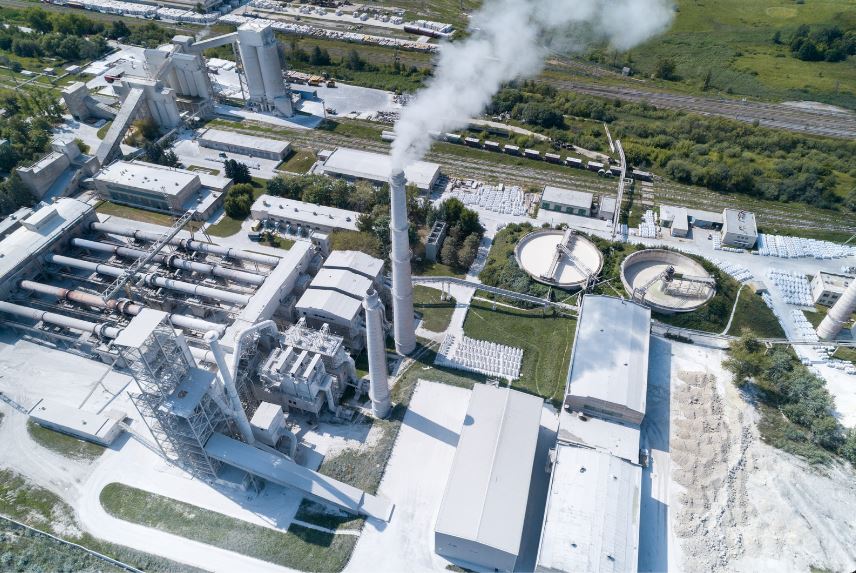
Our Precast Divisional Manager, Laura Heathcote discusses her concrete industry insights in the article below. She touches upon market conditions, and the fast-paced nature of this recruitment specialism before noting the demands that she meets.
Concrete Industry Insights
You may have read in the news that crumbling concrete had been found in countless hospitals, schools and public buildings after cheaper aerated concrete with a short lifespan was originally commissioned. The Government’s short-term thinking in the 1950s and 1960s will now cost it dear. The Government has been forced into pledging that Raac (reinforced autoclaved aerated concrete – the proper name for aerated concrete, that looks bubbly like an Aero chocolate bar) will be eradicated from all NHS buildings by 2035. The 7 worst affected will be replaced by 2030. This is good news for precast concrete jobs, but this outlook overall looks tough.
Whilst guaranteed concrete orders to replace public buildings will slowly filter through to order books, there’s no doubt that the concrete industry is having a difficult time. HS2 curtailed after years of detailed planning, including millions being spent on bespoke manufacturing units, has been a more recent blow to the industry. An industry that struggled through the pandemic, finding itself unable to access a consistent stream of materials to meet sales pipelines.
The commercial and housing sector’s reticence to commit to projects in a fluctuating and uncertain financial market has also undoubtedly served to impact order books.

Recruiting for the Precast Industry
As a divisional manager of specialist precast recruiters and resources, dealing with precast concrete jobs. I witness the knock-on effects of concrete production on a day-to-day basis further down the concrete supply chain. Orders for temporary labour can come in thick and fast and in large volumes. This means we need to continually innovate to attract new talent to manufacturing units.
Those on assignment can also be asked to vary hours at short notice as new production lines are put in place to ramp up production. It is however rewarding to see good workers secure permanent positions with clients, as it’s evidence that my team and I are providing suitable candidates.
On the flip side, a downturn in manufacturing means that temporary workers are the first cost to be cut and workers must be found alternative roles where possible. Recruiting for this sector, and the challenges it brings is not for the faint-hearted, especially when clients demand the very best candidates with precast experience.
In a fast recruitment market where candidates are in short supply, it can be difficult to keep candidates engaged when there might be as much as a week between informal interviews, and their first-day induction. There’s definitely never a dull moment!
The Current Outlook
Notwithstanding difficult times, the concrete industry remains committed to product delivery, sustainability and avoiding stranded assets (a stranded asset is a building unable to deliver its original anticipated economic return as a result of changes over time in what society demands and expects from the built environment). The Mineral Products Association (MPA) has set a strategic vision for 2025 that can be found here: Strategic Priorities (mineralproducts.org)
According to the MPA, member consultation established that the industry wishes to “be valued as an essential and economically, socially and environmentally sustainable industry of significant importance to the economy and our way of life.”
This vision statement has real traction. Increasingly, I am talking to my clients about social values, and our sustainable recruitment policy and being asked for diversity data. I’m also engaging in conversations about worker safety, whether that’s to do with drug and alcohol testing workers, manual handling or the provision of PPE. I am also seeing a shift towards investment in people with the emphasis not only upon a skilled workforce but a qualified workforce arguably making for a safer working environment.
You can find out more about our Precast Concrete Team and the roles they fill here: Looking for the best in Pre-Cast? Try our No.1 Concrete Team (net-temps.co.uk)
News + Resources