Navigating the Government’s Mini-Budget and Managing Your Income

What the changes mean for your income
The new mini-budget has substantial and far-reaching implications for your money and income in the future. With so many novel and extensive changes, it’s difficult to plan your finances and to understand how being paid might change in the future. To help break down the complicated and far-reaching changes we’ve asked Joanne, our resident solicitor and brain-box to identify and explain the major factors that could affect your income in the future.
Income tax
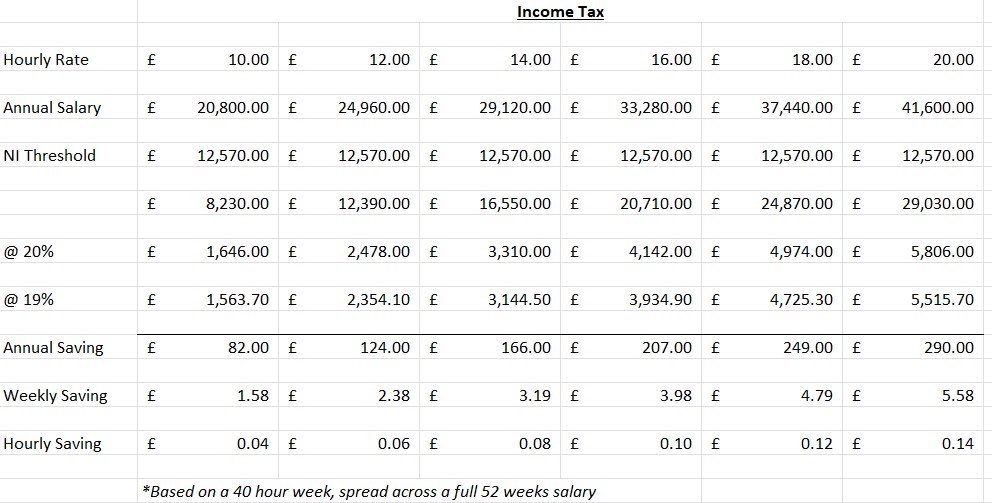
It had previously been announced that there would be a reduction in the basic rate of income tax, down from 20% to 19%, from April 2024. This is now being brought forward to take effect from April 2023.
National Insurance contributions
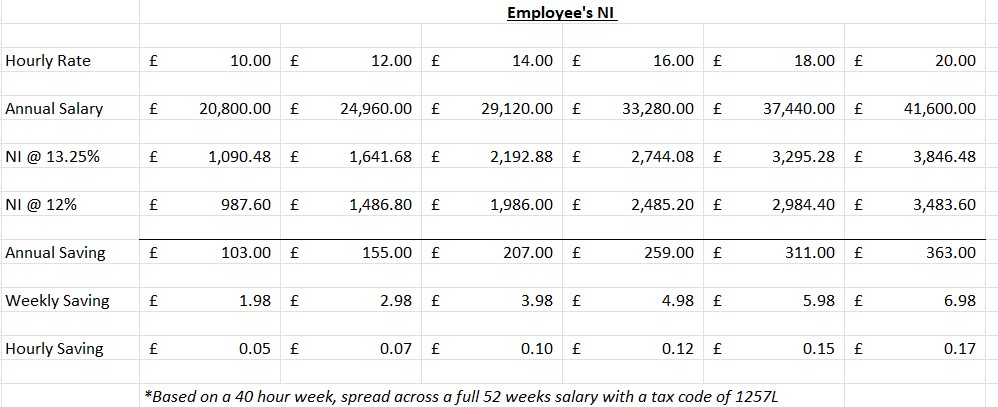
In September 2021, the Government published its proposals for new investment in health and social care in England. In order to fund the investment the government set an increase of 1.25% to both the main and additional rates of Class 1, Class 1A, Class 1B and Class 4 NICs for 2022/23.
However, the decision has been made to reverse the temporary increase in NICs from November.
From 06/11/2022 Primary Class 1 NICs (employees) will revert to the 12% previously paid from the April 2022 increased rate of 13.25%.
IR35 and off-payrolling
In a surprise decision, the Government announced that it will be reversing the off-payroll working rules from 6 April 2023. From this date, workers providing their services via an intermediary will once again be responsible for determining their employment status and paying the appropriate amount of tax and NICs.
Stamp Duty Land Tax
The residential nil rate tax threshold doubled from £125,000 to £250,000, saving current homeowners up to £2,500 on homes purchased up to the value of £250,000.
The nil rate threshold for First Time Buyers’ Relief increased from £300,00 to £425,000, with the maximum purchase price to be able to qualify for First Time Buyers’ Relief increasing to £625,000.
The changes apply to transactions with effective dates on and after 22 September 2022 in England and Northern Ireland. These changes do not apply to Scotland or Wales which operate their own land transactions taxes.
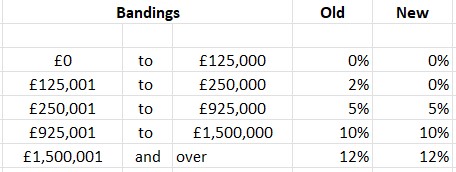
Residential rates may be increased by 3% where further residential properties are acquired.
The Energy Price Guarantee plan caps household bills
Prime Minister Liz Truss announced the Energy Price Guarantee (EPG) for households on 8 September 2022 which will apply from the start of October 2022. The EPG means that an average household will pay no more than £2,500 per year for each of the next two years. It comes in addition to the £400 Energy Bill Support Scheme and will save the average household at least £1,000.
Income from Universal Credit
From January 2023, workers claiming Universal Credit that earn less than the equivalent of 15 hours a week at the National Living Wage will be required to meet regularly with their work coach to actively take steps to increase their earnings or could face having their benefits reduced. Jobseekers over the age of 50 will also be given extra time with Jobcentre work coaches, to help them return to the job market.
If you are interested in the full growth plans from the UK government, they are accessible here
These changes could affect you if you are;
- Unemployed and looking for work
- Employed but wanting for your next career move
- Employed but seeking additional hours on top of current work
Contact
If the answer to any of the above is yes, don’t wait until your income is reduced! Give us a call on 0115 9400 968 to discuss our available vacancies, or submit a CV here and let us help you find your next role.
News + Resources