The Construction Industry Forecast 2024 – 2025

This year, economic stability together with increased consumer spending are expected to trigger investment leading to increased project starts despite labour and material costs remaining high. It’s predicted that the winners will be those involved in warehousing and logistics, office refurbishments and fit out and the repurpose of vacant commercial premises. Find out more about our Constrution Industry Forecast and the other construction sectors below:
Contruction Industry Forecast for Logistics and Facilities
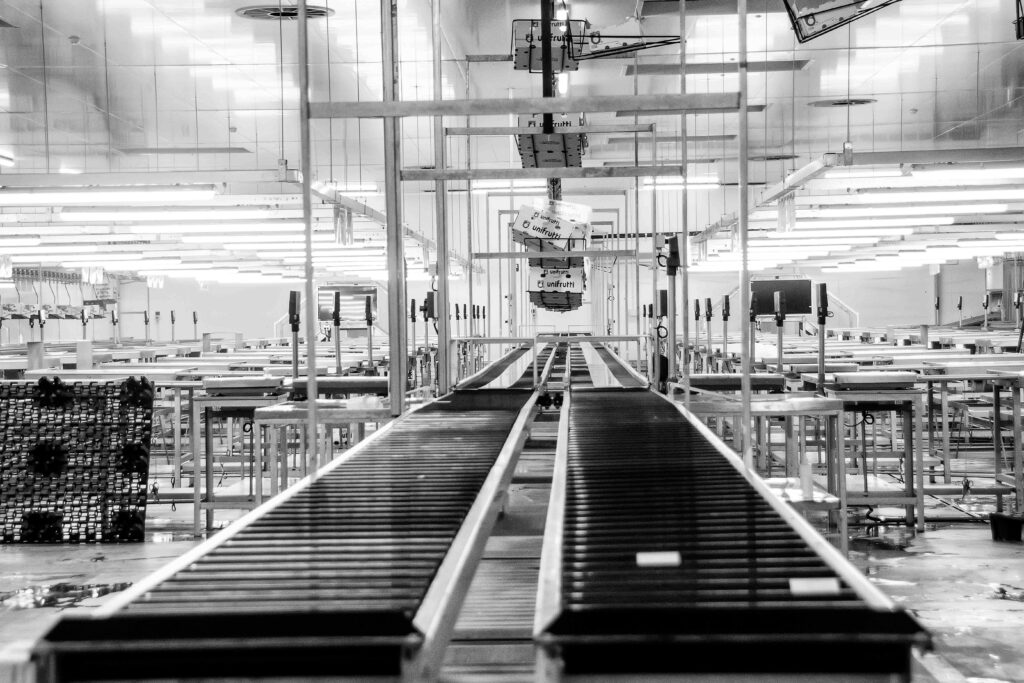
Whilst Industrial project starts have fallen back sharply as high interest rates knocked investor confidence, our construction industry forecast predicts that online retail will be the catalyst for renewed investment in warehousing and logistics spaces and light industrial, as people continue to avoid high street shopping and spend more online. With retail space laying dormant, retail construction is predicted to be constrained, save in the area of discount supermarkets where the large retailers such as Aldi and Lidl have announced long term plans to substantially increase their estates.
Weak domestic and international demand for UK manufactured goods is expected to dampen investment in manufacturing investment more generally.
Retail, Hotel and Leisure
Although, the hospitality sector will continue to struggle this year, having already faced reduced revenue from overseas visitors and increased outlay on energy, materials, and labour costs, the construction industry forecast predicts that recovery in this sector will only be unlocked when households acquire greater disposable income and real spend in this sector is realised to tempt investors back.
Weak retail sales saw unprofitable stores close and created a glut of vacant high street retail space. This landscape saw retailers and developers scale back on projects.
Our construction industry forecast suggests that the retail, hotel and leisure sectors will only see a real change when consumers (both domestic and touristic) start to spend their disposable income in a sustained way in these areas in order to attract the attention of investors once the glut of prime vacant property has been cherrypicked.
Office Refurbishments
The rise in office refurbishments will take place as premises are remodelled to accommodate a shift in post-pandemic working practices. Whether this requirement is mainly generated by the slow return to office working or to better reflect the needs of people using the office its hard to say. Regulatory changes requiring all let office accommodation to hold as a minimum an “E” EPC rating combined with corporates wanted premium office space in excellent locations with a good environmental performance will also generate retrofit and development opportunities. Our construction industry forecast anticipates that the focus for office refurbishment projects is likely to centre around London, where office space is expensive and but also core regional centres such as Manchester and Leeds.

Construction Industry Forecast for Private Housing
Our construction industry forecast predicts a gradual recovery in private housing in 2024. Although interest rates are expected to remain at or near the current levels for the rest of the year, lower house prices and a nominal rise in average earnings will assist housing affordability together with first time buyers increasingly being more prepared to accept long term mortgages to get their foot on the property ladder. A strengthening economy will help increase consumer confidence in property transactions.
It’s thought that those house builders with a pipeline of sites will be able to respond quickly to changing market conditions. Projects are likely to see delays where they involve high rise residential accommodation which now sit under the new Building Safety regime, involve land with nitrate issues and fall under the catchment of local authorities that haven’t implemented a plan for adequate new housing supplies following government relaxation on this requirement.
Social Housing
With sharp rises in construction costs previously hampering projects in this area, together with high interest rates, our cnstruction industry forecast suggests that increased cost stability will start to generate investment, especially given there is a ready pipeline of approved projects. It is thought that whilst this sector will see a low subdued start, there will be a strong recovery in the student accommodation sector as student numbers have grown post-pandemic and will continue to grow moving forward. In particular, international student numbers have increased, a cohort that are more likely to remain in student accommodation for the duration of their courses.
Construction Industry Forecast for Public Sector Investment
Public sector investment in education, health, community and amenity projects may be vulnerable to post election public spending review according to our construction industry forecast. These sectors were helped along last year by Government underspending as budgets rolled over from previous years. In the interim whist we wait for the General Election to be called, it is thought that there will be continued spend on school building projects given there is currently a shortage of secondary school places in major conurbations and over 200 schools require rebuilding to avoid structural failures associated with the Reinforced Autoclaved Aerated Concrete. Universities also stand to benefit due to student population increases.
Whilst the NHS is crying out for more investment, in the short term, NHS resources and management time will continue to be tied up dealing increasing waiting lists and industrial action, as opposed to looking at estate growth and improvement. Whilst there were plans to create 45 new hospitals last year, to date, only 7 of those projects have started on site, with 31 of those projects not yet securing full funding to start core building works.
Civil Engineering and Infrastructure
With civil engineering and infrastructure projects experiencing a decline for the last two years due to production costs, our construction industry forecast expects the water industry to press on with investment agreed with the industry regulator together with investment in electricity generation and distribution and broadband connectivity. However, the Government’s decision to scale back HS1 and cancel HS2 will undoubtedly reduce available work. Renewable energy and the roll out of EV charging schemes have also been affected by the watering down of a range of Net Zero commitments.
Conclusion
Whilst all of the sectors mentioned above depend upon the economy, our construction industry forecast notes that this is only part of the solution to get construction moving once again. Planning red tape still needs to be reduced or reformed and the Government needs to implement appropriate infrastructure to support the populations using new universities, hospitals and new builds. For another view on this important subject you might want to consider Construction industry outlook 2024 | BCIS
Further articles that might also be of interest:
News + Resources