Green Concrete: A Shift Towards Sustainability in the Manufacture of Precast Products

In recent times, the concrete manufacturing industry has witnessed a transformative shift towards sustainability and “Green Concrete”, driven by a global commitment to reduce carbon emissions and mitigate the environmental impact of construction materials. This shift is reshaping traditional practices, encouraging innovation, and fostering a greener future for the construction sector.
One notable development in Green Concrete is the increasing adoption of alternative and eco-friendly materials in concrete production. Traditional concrete, known for its high carbon footprint due to cement production, is being challenged by alternatives such as fly ash, slag, and silica fume. These supplementary cementitious materials not only reduce reliance on traditional cement but also contribute to the repurposing of industrial by-products, lessening environmental strain.
Furthermore, the industry is embracing advanced technologies to enhance efficiency and reduce energy consumption. Innovations like carbon capture and utilisation (CCU) are gaining traction, enabling manufacturers to capture carbon dioxide emissions during the production process and repurpose them for other applications. This not only reduces the carbon footprint but also aligns with broader sustainability goals.
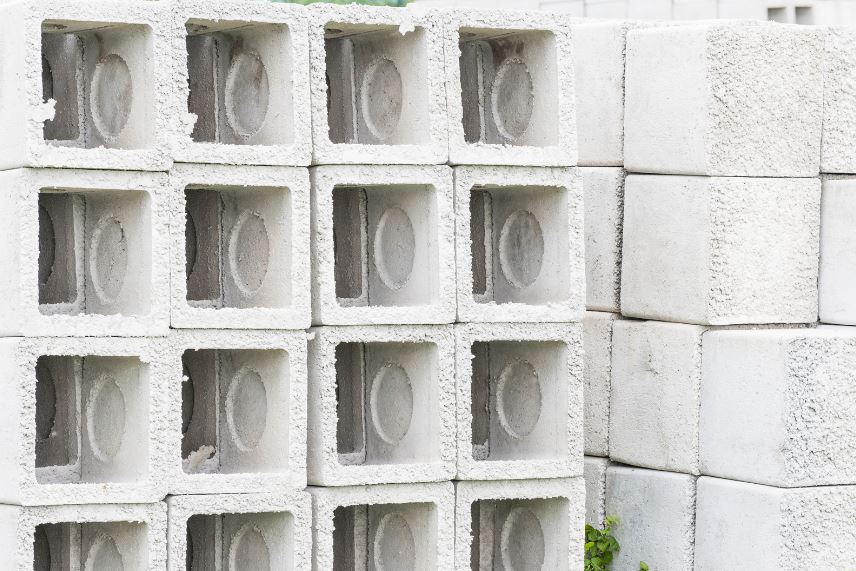
Green Concrete
The concept of “Green Concrete” is gaining prominence, emphasising the use of recycled aggregates and locally sourced materials. By incorporating recycled content into concrete mixes, manufacturers can minimise the extraction of natural resources and divert waste from landfills. Additionally, the use of local materials reduces transportation-related emissions, making the entire production process more environmentally friendly.
Moreover, concrete manufacturers are focusing on optimising mix designs to improve the durability and longevity of concrete structures. This approach not only enhances the performance of concrete but also reduces the need for frequent replacements, ultimately decreasing the environmental impact associated with the construction industry.
As governments worldwide intensify their commitment to sustainable development, concrete manufacturers are likely to face increasing pressure to align with stringent environmental standards. Embracing these changes proactively not only ensures compliance but positions manufacturers at the forefront of an industry-wide revolution towards eco-friendly practices.
Further information about the sustainability credentials of precast concrete can be found here: Sustainability credentials (mpaprecast.org)
Alternative articles that you might wish to consider:
News + Resources