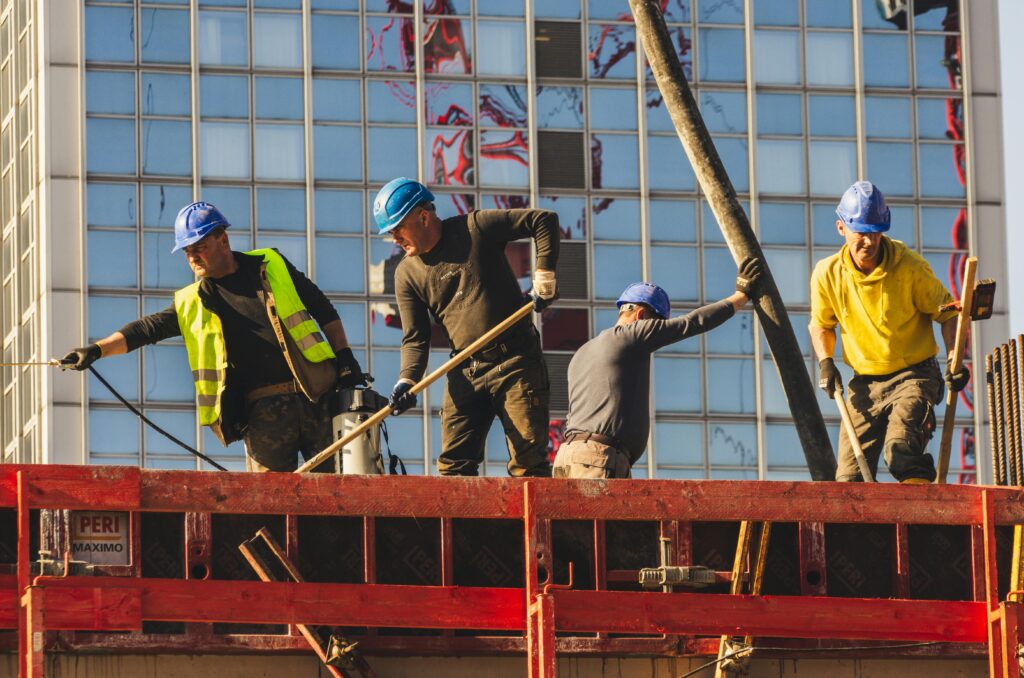
UK Construction Navigates the Adverse Impact of the Weather

The UK construction industry, a sector susceptible to the caprices of the weather, has faced a tumultuous three months marked by extremes that have tested the resilience of ongoing projects. From torrential rain, unseasonable cold snaps and storms, and with snow now threatened, the elements have posed both challenges and opportunities for construction professionals across the country.
UK Construction and Rain
The persistent and at times intense rainfall has been a primary disruptor. UK Construction sites, already vulnerable to weather-related delays, experienced extended periods of downtime due to waterlogged grounds and safety concerns. Excavation work, foundation pouring, and groundwork activities were notably affected, leading to scheduling adjustments and logistical challenges.
The colder-than-average temperatures during this period also posed challenges, impacting tasks that are typically weather-dependent. Concrete curing, for example, became a more time-consuming process as lower temperatures slowed down the setting of concrete, necessitating additional precautions and potential delays. Cold weather can also affect the performance of certain UK construction materials, requiring adaptations and specialised handling.
Weather Resiliance Strategies in UK Construction
However, adverse weather conditions have sparked innovation and strategic planning within the industry. UK Construction companies have increasingly turned to technology, such as weather forecasting tools, to proactively manage schedules and mitigate the impact of unpredictable weather. Real-time weather data has become a valuable asset in decision-making, allowing project managers to anticipate adverse conditions and plan accordingly.

Moreover, the focus on climate resilience and sustainable construction practices has intensified in response to the weather challenges. From incorporating water management solutions to adopting materials resistant to weather-induced wear and tear, the industry is embracing strategies to enhance the robustness of structures against the vagaries of weather.
On the brighter side, the uncharacteristically cold weather has provided opportunities for certain UK construction activities. Ground freezing can be advantageous for excavation work in some cases, as the firmer ground allows for more stable digging conditions. Additionally, the chillier weather can be advantageous for certain types of concrete work, offering a more extended window for precision and finishing.
Conclusion
Looking ahead, weather forecasting will continue to play a pivotal role in UK construction planning. As climate patterns become more unpredictable, the ability to anticipate adverse conditions and adjust construction schedules accordingly will be a key factor in project success. UK construction professionals are adapting to the new normal, integrating weather resilience into their strategies and embracing technology as a valuable ally against the whims of the UK weather.
In conclusion, the past three months have presented a mixed bag of challenges and opportunities for the UK construction industry. While adverse weather conditions have tested the adaptability of construction professionals, they have also spurred innovation and a renewed focus on climate resilience. As the industry continues to evolve, the integration of weather forecasting and sustainable practices will be essential for navigating the unpredictable elements in the months and years to come.
To learn more about the subject contained in this article, you might wish to consider the following: How Does Adverse Weather Impact Construction Groundworks and Civil Engineering? (mackoy.co.uk)
For other topical articles on the construction industry, check out the links below:
News + Resources